Digital Certificate Expiration: Common Mistakes and How to Prevent Them
Expiration of a digital certificate is quite common, and for many organizations it may seem like a small technical issue. But it is a much bigger picture to look for.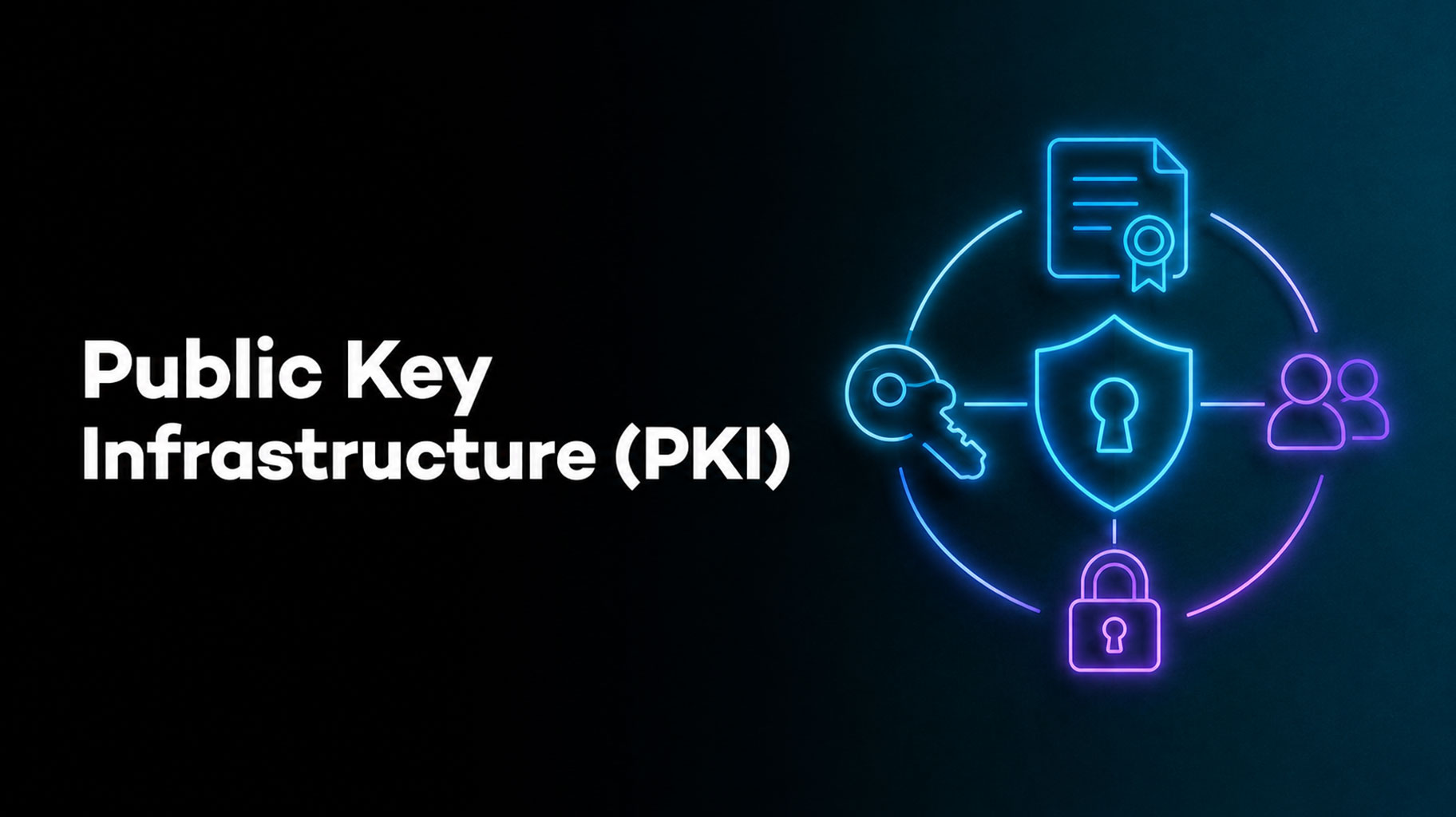
What Is Public Key Infrastructure (PKI)? How It Works, Components, and Benefits
What Is Public Key Infrastructure (PKI)? Public Key Infrastructure (PKI) is a system used to manage digital identities and protect sensitive information. It uses digital certificates, cryptographic keys, and trusted
Thales payShield 10K: Features, Benefits, and How It Works
Protecting financial transactions is a crucial task for any financial institution. Because making a transaction involves use of highly sensitive information — like card number, PIN, and CVV — which
Cryptographic Key Rotation: When, Why, and How Enterprises Should Rotate Encryption Keys
In order to protect digital data from attackers, enterprises often use an encryption key. The data is stored inside the key, which can be accessed by the person with the
Key Management Lifecycle Stages Explained
Key management plays a vital role in securing the cryptographic keys. It not only manages the keys across different platforms but also helps in securing those keys. Without proper key
What Is a Key Management System? A Simple Guide for Businesses
Businesses today store most of their data digitally, and a large part of it consists of sensitive information. As data keeps on growing, businesses use encryption to protect themselves against
What Is Database Encryption? Meaning, Types, and How It Works
Today, every enterprise uses databases to store and manage sensitive information. This involves their customers’ details, payment records, and internal business data. Having all these things stored inside a database
Difference Between General Purpose HSM and Payment HSM
A Hardware Security Module (HSM) is a physical appliance used by organizations to generate, store, and protect cryptographic keys in a tamper-resistant environment. They play an important role when it
RBI Key Management Compliance Requirements for Financial Institutions in India
The banking sector is one of the largest sectors in India that manages some of the most sensitive information. This includes customer records, transactions, loan details, and insurance policies. Therefore,