

What Is Public Key Infrastructure (PKI)? How It Works, Components, and Benefits
What Is Public Key Infrastructure (PKI)?
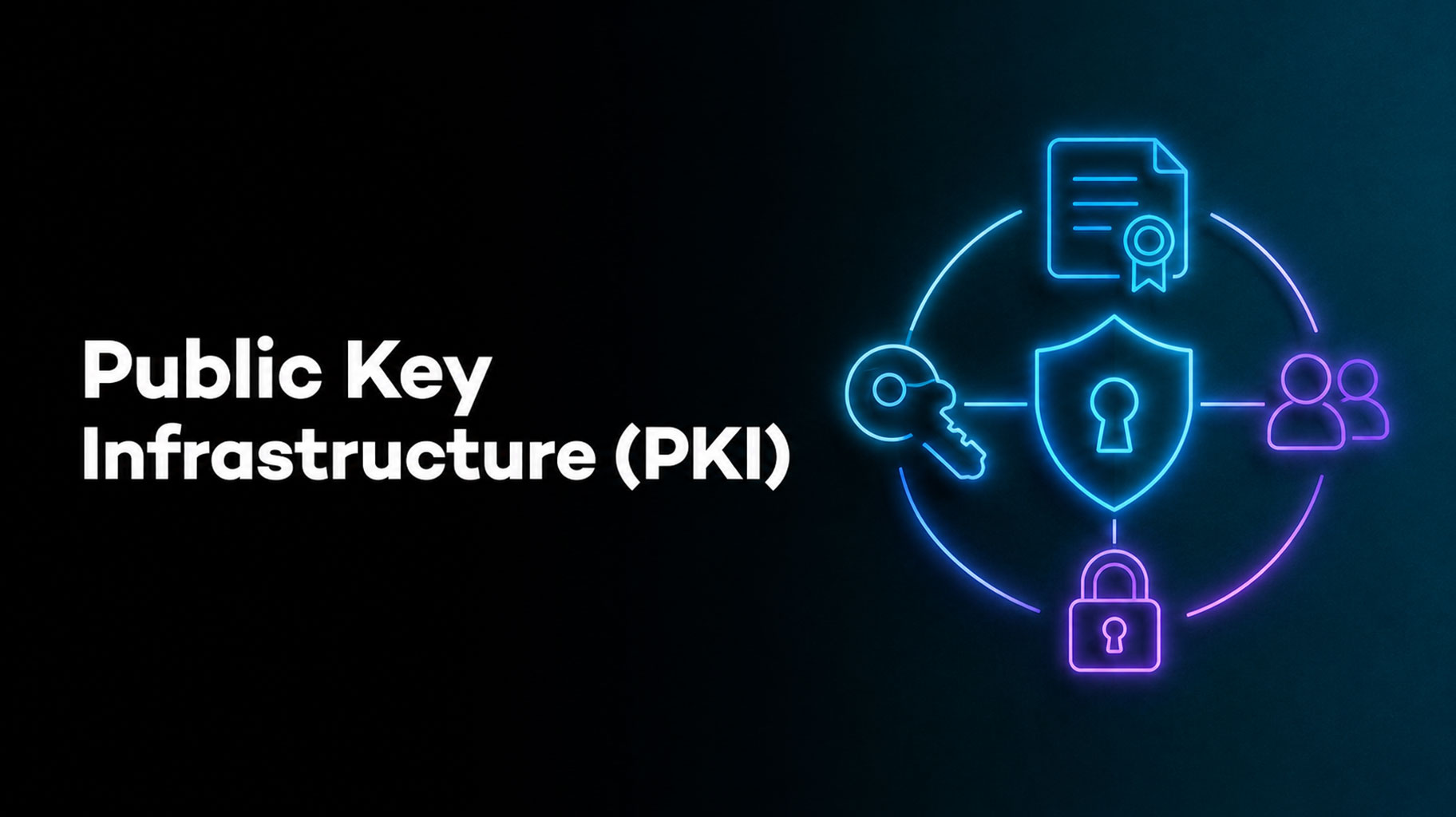
Public Key Infrastructure (PKI) is a system used to manage digital identities and protect sensitive information. It uses digital certificates, cryptographic keys, and trusted certificate authorities to help establish a trusted communication channel. Further, PKI also helps organizations with digital authentication, encryption, and digital signatures. This ensures that the user identities and information are confidentially communicated with different systems.
Components of PKI
1. Digital Certificate
A digital certificate is an electronic ID that links a public key to a verified identity. It can be issued once the Certificate Authority (CA) digitally signs the certificate. It contains details such as the name of the certificate holder, public key, CA’s digital signature, issuing authority, and validity period.
2. Certificate Authority
Certificate Authority (CA) is a trusted organization responsible for issuing a digital certificate. It verifies the certificate requester’s identity and signs the certificate after successful verification. The digital sign assures systems that the certificate is from a trusted source.
3. Registration Authority
Registration Authority (RA) is an individual that verifies the identity of the user, organization, or system before issuing the certificate. It works alongside the CA during the certificate approval process.
4. Public and Private Key
A public and private key is a matching pair of cryptographic keys used in PKI. The public key is used to share information in encrypted format, which can be decrypted using the private key. This way the data can be securely shared and accessed.
5. Certificate Repository
A certificate repository is a database where digital certificates are stored and managed. Applications/systems can find certificate details on the certificate repository database and verify the certificate.
6. Certificate Revocation
Certificate revocation involves cancelling a digital certificate before its expiration data. This usually happens when the certificate is no longer considered safe. Methods such as Certificate Revocation Lists (CRL) and Online Certificate Status Protocol (OCSP) can be used to check certificate status.
How Does PKI Work?
Step 1: Creating a Key Pair
A cryptographic pair of public and private keys is created. The public key is used to encrypt data and can be shared with other systems, but the private key is kept safely by the owner to decrypt the data.
Step 2: Requesting a Digital Certificate
The owner of the public key then requests the Certificate Authority (CA) to issue a digital certificate. The requests include information about the identity that requires the certificate and the public key associated with that identity.
Step 3: Verifying the Identity
After receiving the request, the Certificate Authority (CA) conducts an identity verification of the person, website, or system requesting the certificate. The verification process is usually done by the Registration Authority (RA).
Step 4: Issuing the Certificate
Once the Registration Authority (RA) has completed the verification, the CA then signs the digital certificate. The digital certificate is now connected to the verified identity with the public key and contains necessary information about the certificate.
Step 5: Establishing Trust
The system then receives the certificate. It checks the certificate and ensures that it is issued from a trusted Certificate Authority. It also checks if the certificate is valid, expired, or revoked.
Step 6: Secure Communication
After the certificate passes the required security checks, the system establishes a secure communication channel for sharing information between systems.
Benefits of PKI
- Verifies the identity of users and systems.
- Protects sensitive information from unauthorized access.
- Keeps communication between systems secure.
- Strengthens user and device authentication.
- Helps detect unwanted changes to information.
- Supports secure digital signatures for documents.
- Builds trust between users and digital systems.
- Supports organizations with security and compliance needs.
What Happens When PKI Is Not Managed Properly?
While PKI helps build trust and secure digital communication, it also requires proper management to work. Say an organization uses more websites, applications, users, and devices — the number of certificates and cryptographic keys will increase. If these certificates are not managed and monitored, expired certificates will eventually interrupt the services. Likewise, having poor access controls can expose sensitive information and increase security risk. Over time, these issues make it difficult for organizations to manage their PKI while ensuring security compliance.
Secure Your Public Key Infrastructure (PKI) with AppleShineTech
At AppleShineTech (Thales Implementation Partner), we provide enterprise-grade HSM solutions and key management solutions that help organizations manage and secure their PKI. By using these solutions, your keys will remain protected, and you can manage their lifecycle under a centralized management system.
To learn more about these solutions, visit our website or directly contact our experts at +91 7042079410.